If you or someone you love has recently experienced a diabetes-related amputation, the first few weeks can feel overwhelming. There may be questions about healing, pain, mobility, prosthetics, independence, and what life will look like moving forward.
One of the most important things to understand is that recovery does not happen all at once. The first 90 days are a process—one that begins with healing and gradually moves toward rebuilding strength, confidence, mobility, and independence.
Every patient's recovery is different, particularly when diabetes or other medical conditions are involved. But knowing what may happen next can make the journey feel much more manageable.
At SKY O&P, we help patients and families understand that there is life after amputation, and you do not have to navigate it alone.
Why Diabetes Can Lead to Amputation
Diabetes can affect circulation, sensation, wound healing, and overall foot health. Peripheral neuropathy may make it difficult to feel an injury or pressure point on the foot. Circulatory problems can make wounds more difficult to heal. What begins as a small sore can sometimes progress into an ulcer, infection, or more serious complication.
When an amputation becomes medically necessary, the immediate priority shifts to healing safely and protecting the patient's overall health.
But recovery is about more than healing the surgical site. It is also about preparing for what comes next.
The First Few Weeks: Healing Comes First
Immediately following an amputation, your medical team will focus on wound healing, pain management, swelling, and preventing complications.
During this stage, patients may also begin learning how to:
- Protect the residual limb
- Manage swelling
- Transfer safely between surfaces
- Navigate daily activities differently
- Care for the remaining foot and leg
- Prepare physically and emotionally for rehabilitation
This can be a difficult period because progress may not yet feel visible. But healing is progress. Your body is preparing for the next stage of recovery.
Your Residual Limb Will Continue to Change
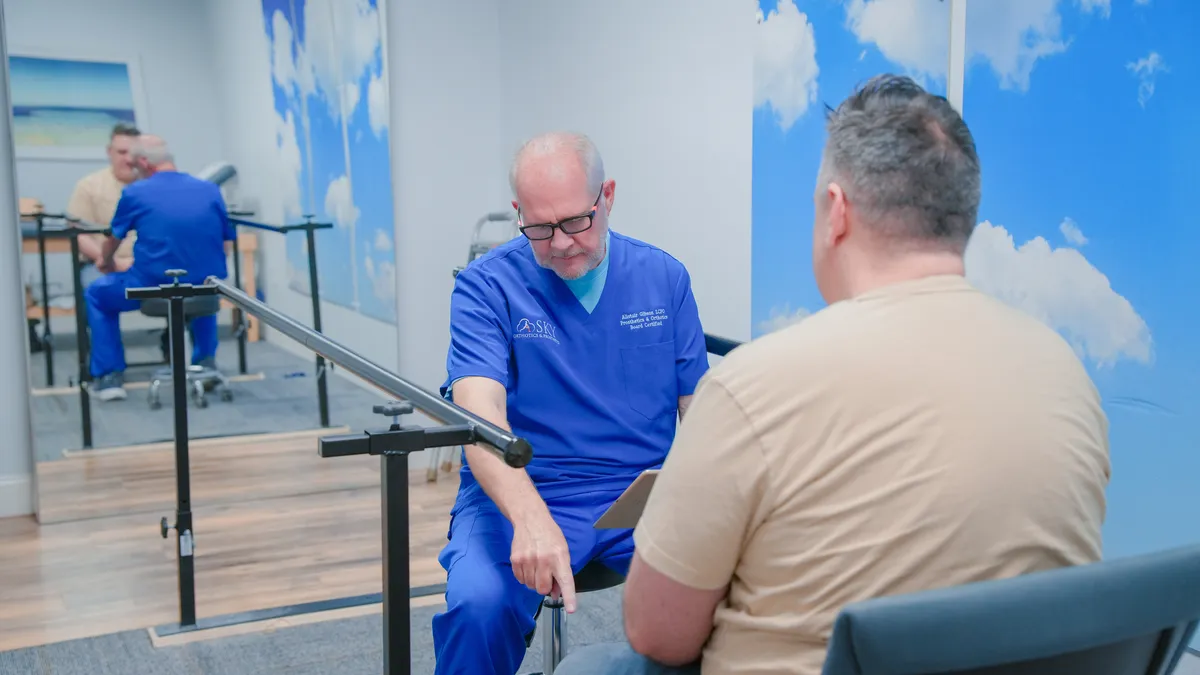
One of the most important things new amputees should understand is that the residual limb changes significantly after surgery. Swelling gradually decreases, tissues heal, and the shape of the limb evolves.
These changes matter because eventually your prosthetic socket—the part of the prosthesis that interfaces with your body—must fit comfortably and securely.
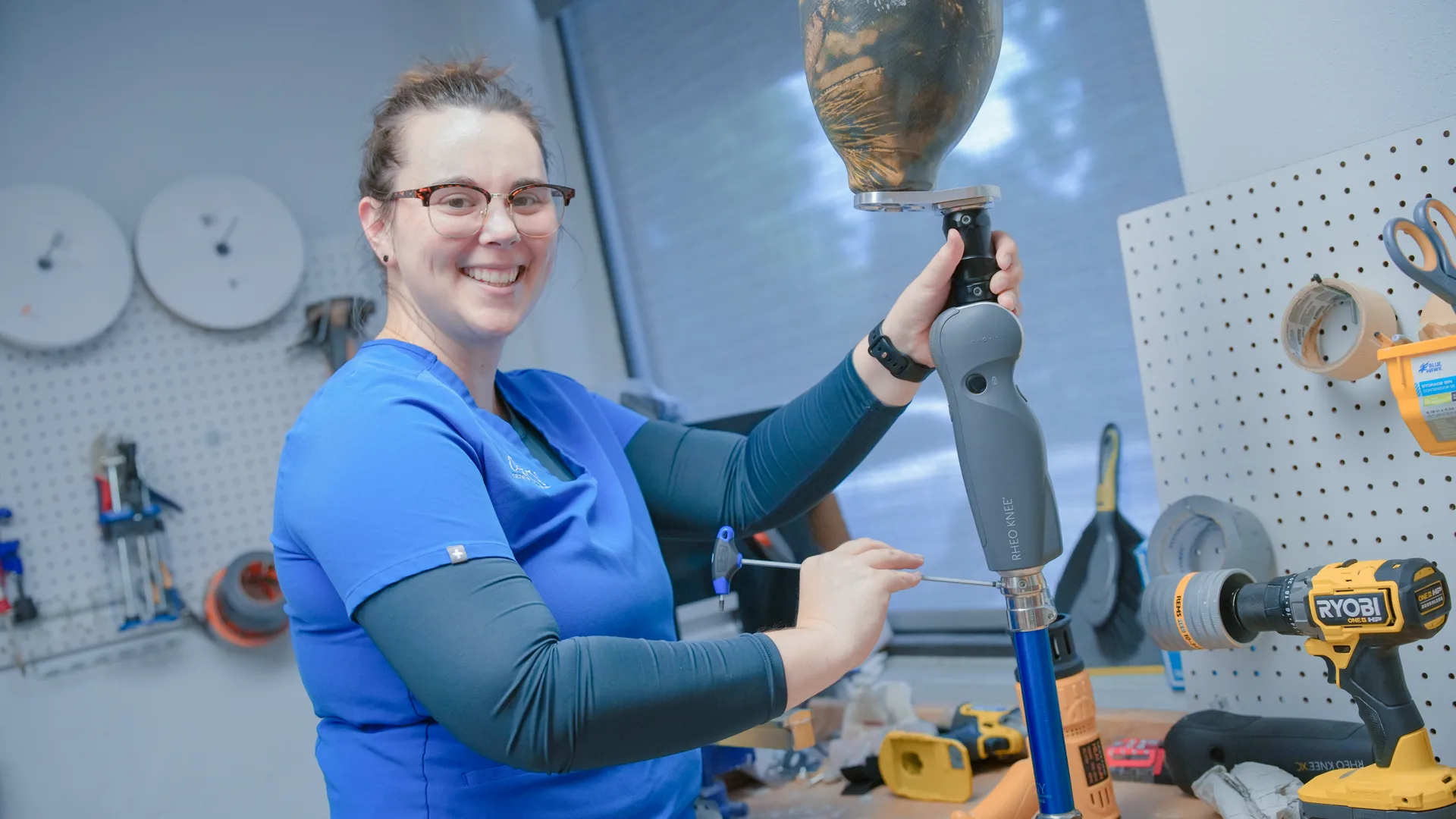
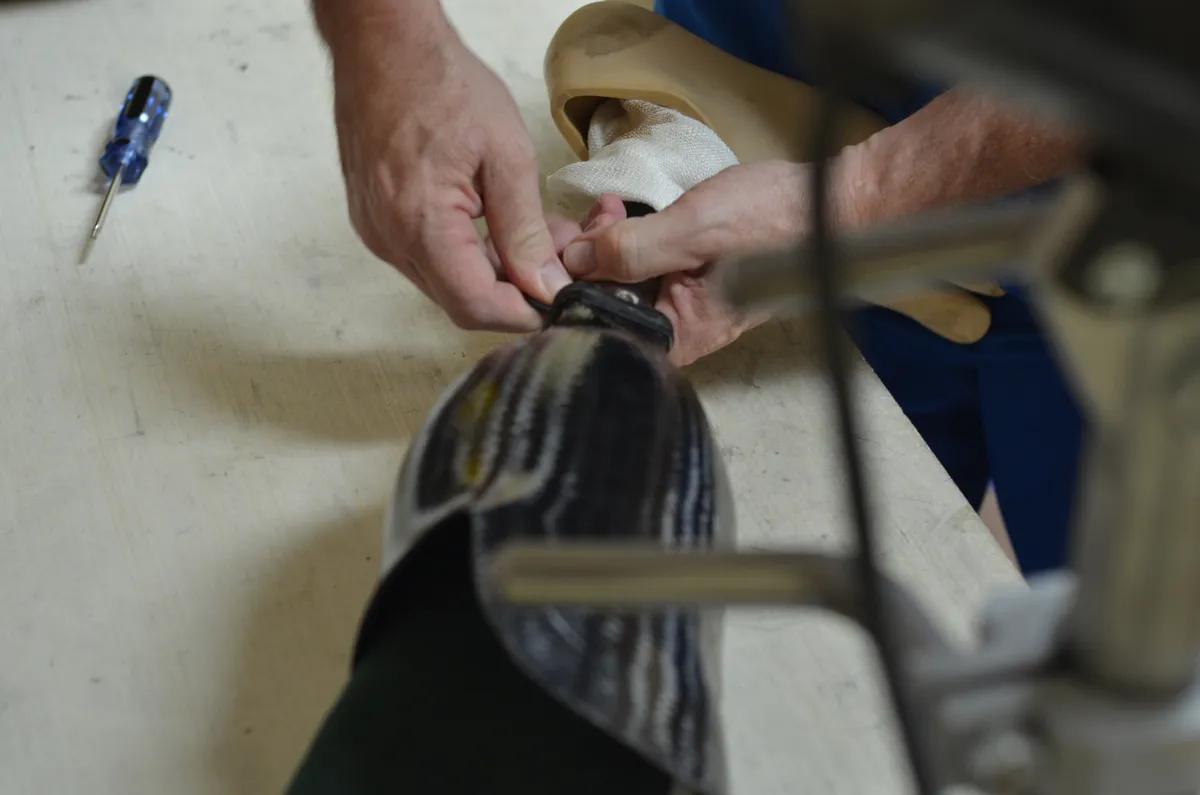
That is why prosthetic care is a process rather than a one-time fitting. Your prosthetist will continue evaluating fit and making adjustments as your body changes.
When Can I Get My First Prosthetic Leg?
This is one of the most common questions new amputees ask. The answer is: it depends on your healing and overall health. There is no universal date when every patient is ready for a prosthesis.
Factors can include:
- Healing of the surgical site
- Swelling
- Skin condition
- Overall strength
- Balance
- Other medical conditions
- Type and level of amputation
- Mobility goals
Once your healthcare and prosthetic teams determine that you are ready, the process of evaluating, designing, and fitting your first prosthesis can begin.
The goal is not simply to get you into a prosthetic leg as quickly as possible. The goal is to create the right solution for your body, health, lifestyle, and mobility goals.
Your First Prosthesis Is the Beginning, Not the Finish Line
Receiving your first prosthetic leg can be an emotional milestone. For many patients, it represents possibility. Standing again. Walking again. Moving toward greater independence.
But learning to use a prosthesis takes time. Your body must adapt to new pressures and movement patterns, while strength, balance, endurance, and confidence continue developing.
Your prosthetic needs may also change as you become more active. This is why ongoing communication with your prosthetist is so important.
Expect Adjustments Along the Way
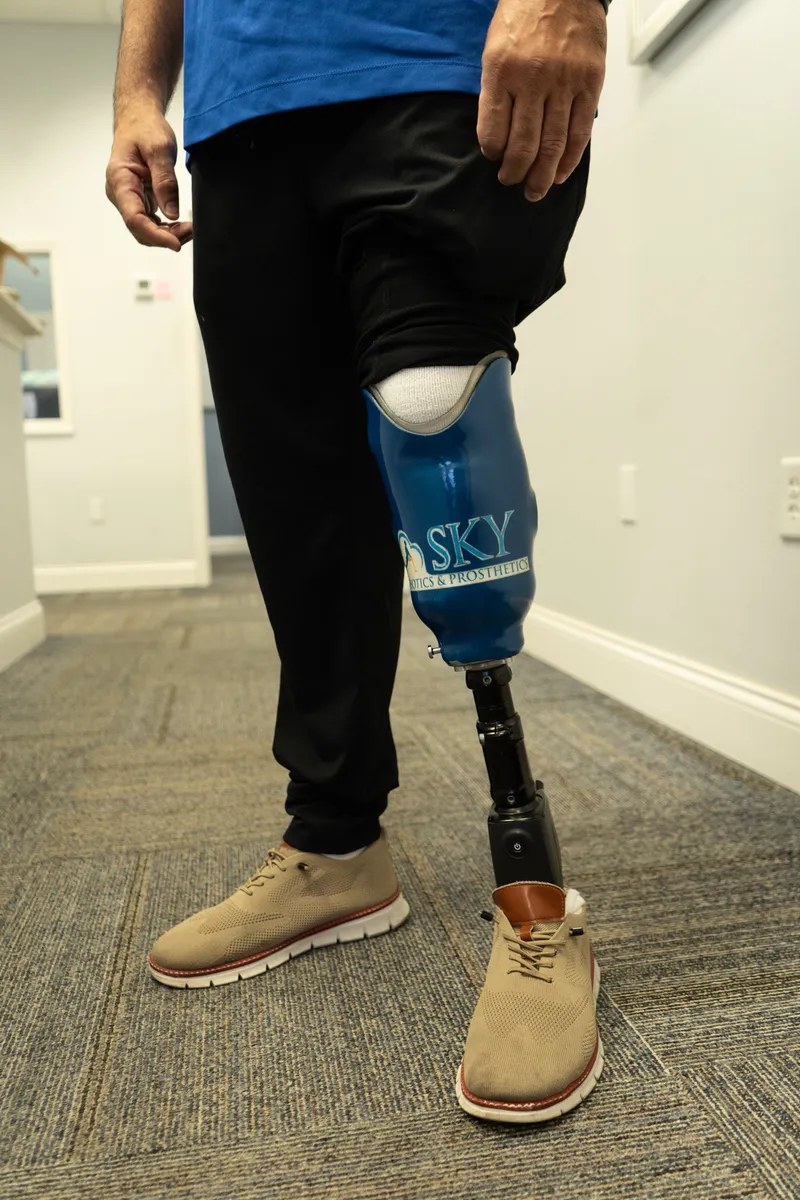
A prosthesis should not simply be delivered and forgotten. During the first months of use, adjustments are common.
You may notice changes in:
- Socket fit
- Comfort
- Alignment
- Pressure areas
- Stability
- Walking pattern
Your residual limb can continue changing substantially during the first year after amputation, which can affect socket fit.
If something does not feel right, tell your prosthetist. Pain, excessive pressure, skin irritation, instability, or changes in how you walk should not simply be accepted as part of having a prosthesis. Often, an adjustment can make a meaningful difference.
The Emotional Recovery Matters Too
Physical recovery is only one part of life after amputation. Patients may experience grief, frustration, fear, anger, uncertainty, or even moments when they question whether life will ever feel normal again.
Those feelings deserve attention too.
This is where family members, caregivers, clinicians, and other amputees can become an important part of the recovery process. Sometimes the most powerful encouragement comes from meeting someone who can genuinely say: "I've been where you are."
Peer support can help new amputees see that the challenges they are experiencing today do not determine what their lives will look like tomorrow.
Protecting Your Other Foot Is Critically Important
For someone whose amputation was related to diabetes, recovery must include protecting the remaining limb.
Diabetes can continue affecting sensation, circulation, skin health, and wound healing. Make foot care part of your daily routine.
Watch for:
- Cuts or sores
- Redness
- Swelling
- Blisters
- Changes in skin color
- Pressure areas
- Wounds that are not healing normally
Never ignore a small wound simply because it does not hurt. Neuropathy can reduce sensation, which means a serious problem may develop without significant pain. Protecting your remaining limb is an essential part of protecting your future mobility.
What Should Progress Look Like by 90 Days?
There is no single definition of success. One patient's goal may be walking independently. Another may still be focused on healing. Someone else may be learning to use a first prosthesis. For another patient, success may simply mean standing safely, preparing a meal, getting around the home, or relying less on a caregiver.
Recovery should be measured against your goals and your starting point, not someone else's timeline.
The important question is not: "Am I recovering fast enough?" A better question is: "Am I continuing to move forward?"
There Is Life After Amputation
The first 90 days can contain some of the most difficult moments of the entire journey. But they can also contain some of the most meaningful. The first time you stand. The first step. The first activity you thought you might never do again. The first moment when you begin thinking less about what you lost and more about what is still possible.
At SKY O&P, our role extends beyond providing a prosthetic device. We believe in building relationships, educating patients and families, providing ongoing follow-up, and helping people rediscover mobility and independence.
Because amputation may change the way you move forward. It does not mean you stop moving forward.
Frequently Asked Questions About Recovery After Amputation
How soon after an amputation can I get a prosthetic leg?
Timing varies from patient to patient. Your surgical site must heal sufficiently, and your healthcare team will consider your overall health, residual limb condition, strength, mobility goals, and other factors before prosthetic fitting begins.
Is it normal for my residual limb to change size?
Yes. Swelling decreases and the residual limb changes shape during recovery. These changes can continue during the first year and may require adjustments to your prosthetic socket.
Should a new prosthetic leg hurt?
Learning to use a prosthesis can involve new sensations and pressure, but persistent pain, skin breakdown, or significant discomfort should be discussed with your prosthetist. Adjustments may be needed.
Does diabetes make prosthetic recovery more difficult?
Diabetes can affect circulation, sensation, wound healing, and skin health, so careful medical management and monitoring are especially important. However, many people with diabetes successfully use prosthetic devices and regain meaningful mobility.
How often will my prosthesis need adjustments?
The frequency varies, especially during the first months when your residual limb is changing. Ongoing follow-up with your prosthetist helps maintain fit, comfort, alignment, and function.
Medical Disclaimer: This article is intended for general educational purposes only and is not a substitute for personalized medical advice, diagnosis, or treatment. Recovery timelines and prosthetic recommendations vary by patient. Always discuss your individual care plan with your physician and prosthetic care team.
PERSONALIZED PROSTHETIC CARE IN CENTRAL FLORIDA
Wondering What Comes Next After Amputation?
If you or a loved one has recently experienced limb loss, SKY O&P can help you understand the next step. Our team provides personalized prosthetic care, fittings, adjustments, advanced prosthetic technology, and ongoing support for patients throughout Central Florida.
SKY serves patients through locations in Maitland, Kissimmee, Ocala, Minneola, and DeLand.
Schedule a Consultation Explore Prosthetic Services